Scotland 2 week trip
A two-week Scotland campervan loop from the Central Belt through Loch Lomond, Glencoe, the Road to the Isles, Skye, Torridon, Assynt, the north coast, Inverness, and the Cairngorms. This route blends Scotland’s big highlights with a practical driving rhythm: lochs, castles, mountain passes, beaches, sea cliffs, Highland villages, and forest walks, with separate overnight stops to keep the pace comfortable.

Itinerary
Day 1
41 km · 39 min
Stirling Castle
Castle Wynd, Stirling FK8 1EJ, UK
Stirling makes a strong first stop because it gives the trip a sense of Scottish history before the landscape opens into the Highlands. The castle sits high above the town, with views toward the Wallace Monument and the hills beyond, so it feels like a gateway rather than a detour. It also keeps the first driving day gentle, useful if you have just collected the campervan.
36 km · 34 min
Balmaha
Balmaha, Glasgow G63, UK
Balmaha is a soft landing into loch country, with wooded paths, boat jetties, and broad water views across Loch Lomond. A short walk up Conic Hill gives one of the best effort-to-reward viewpoints in southern Scotland, but even a lakeside wander feels worthwhile. This stop works well before committing to an overnight, because you can decide whether to stay near the east shore or continue around to an official west-shore motorhome permit area.
30 km · 27 min
Culag Beach
A82, Alexandria G83, UK
Stay at a booked campsite or one of the National Park’s designated motorhome permit areas if you are inside a Camping Management Zone. Firkin Point, Inveruglas, and Three Lochs Forest Drive are specifically listed by the National Park as motorhome permit areas, but you must check dates, space, vehicle suitability, and permit rules before relying on them.
Day 2
39 km · 31 min
Falls Of Falloch
Stirling FK20 8RL, UK
This is a practical pause as much as a scenic one, breaking the run north before Rannoch Moor. Falls of Falloch gives a quick woodland-waterfall moment, while Crianlarich is useful for fuel, food, and checking weather before the open road. Be cautious with parking restrictions around popular beauty spots, especially in a larger van.
25 km · 21 min
Rannoch Moor Viewpoint
A82, Bridge of Orchy PA36 4AG, UK
Rannoch Moor is where the route starts to feel properly Highland, with a wide, lonely sweep of peat, lochans, and dark hills. It is not a long activity stop, but it is one of those places where the road itself becomes the attraction. Pull in only at safe lay-bys, since the A82 can be busy and fast.
26 km · 27 min
Glencoe
Glencoe, Ballachulish PH49, UK
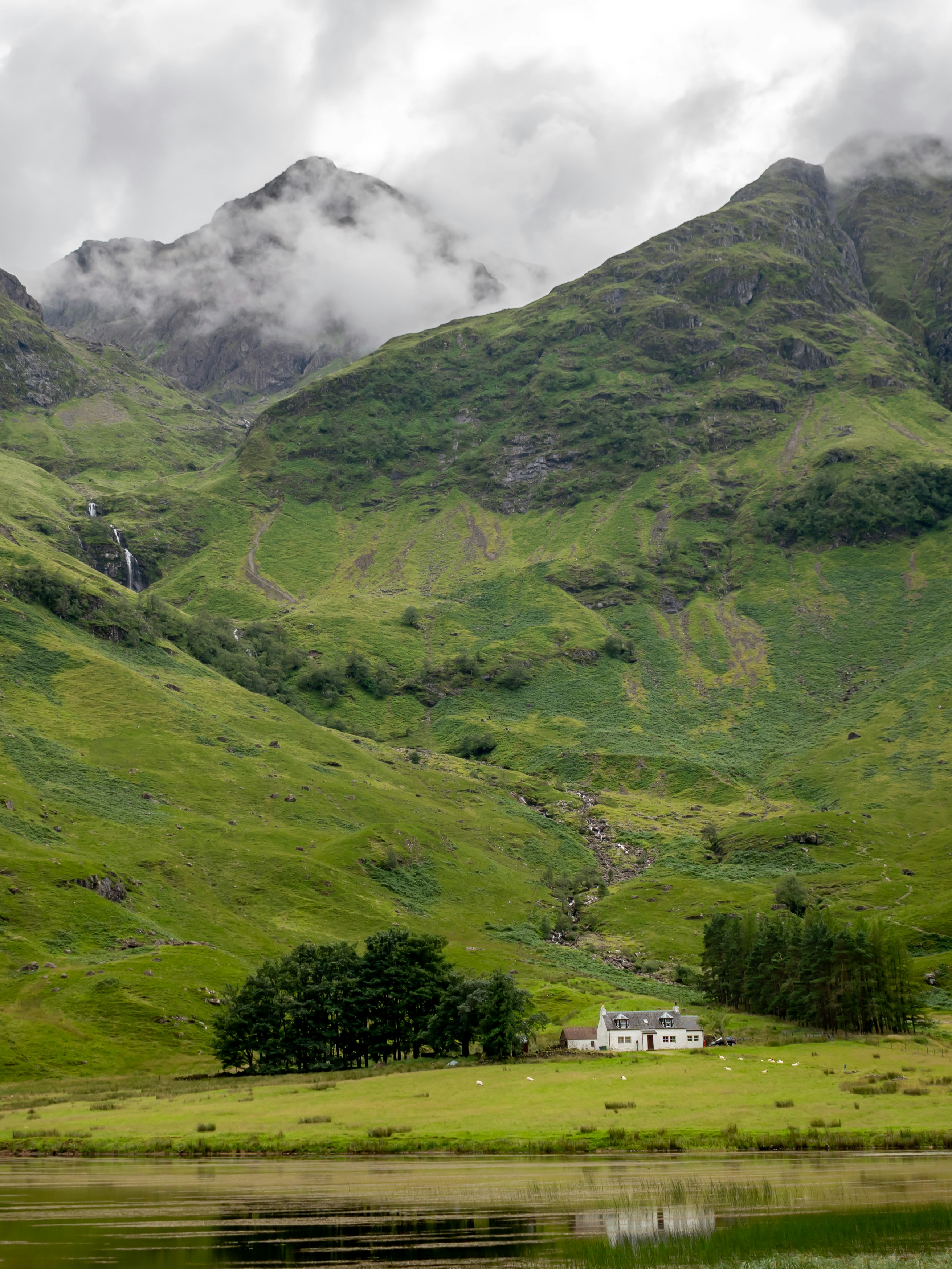
Book a campsite around Glencoe, Ballachulish, or Kinlochleven rather than expecting to overnight in roadside lay-bys. Glencoe is dramatic in almost any weather, with steep-sided mountains pressing close to the road and evening light often catching the ridges. Staying nearby gives you a quieter start for walking or photography the next morning.
Day 3
27 km · 26 min
Fort William
Fort William PH33, UK
Fort William is not the prettiest stop on the route, but it is one of the most useful. Stock up here, empty and refill at proper facilities where available, and check your van before heading into more remote west-coast sections. It also gives a view toward Ben Nevis, which adds a sense of scale to the journey.
37 km · 33 min
Glenfinnan Viaduct
Glenfinnan PH37 4LT, UK
Glenfinnan combines railway drama, loch scenery, and Jacobite history in one compact stop. The viaduct viewpoint is famous, but the best part is often the wider setting: Loch Shiel stretching away between steep green slopes. Parking is limited and very busy in peak season, so arrive outside train-viewing rush times if you can.
Day 4
7 km · 8 min
Silver Sands of Morar
Silver Sands of Morar, Mallaig PH40 4PD, UK
The Morar beaches bring a sudden change of mood, with pale sand, clear water, and views toward the Small Isles. On a bright day it can look almost tropical, although the Atlantic wind usually reminds you where you are. This is a good slow-travel stop before the route turns toward Skye.
62 km · 1h 39m
Mallaig Harbour
Mallaig Harbour, Mallaig PH41 4QF, UK
From Mallaig you can take the CalMac ferry to Armadale on Skye, which is scenic and saves backtracking, but it needs timetable and booking checks. CalMac publishes seasonal timetables and advises checking service status, and ferry plans can change with weather, vessel issues, or amended timetables. If ferry uncertainty bothers you, drive back via the A87 and cross the Skye Bridge.
25 km · 25 min
Sligachan
Sligachan, Isle of Skye IV47 8SW, UK
Sligachan is a perfect first Skye pause because the Black Cuillin rise abruptly behind the old bridge and river. It gives you the island’s mountain drama without needing to commit to a long hike. It also sits naturally on the way to Portree, Broadford, or west-coast campsites.
Day 5
9 km · 7 min
The Storr
The Storr, Portree IV51 9HX, UK
The Storr is one of Skye’s defining landscapes, with jagged rock pinnacles standing above a rolling green slope and sea beyond. Go early, both for easier parking and for a quieter climb. In mist it can feel eerie and cinematic, while clear weather gives huge views across the Sound of Raasay.
12 km · 12 min
Lealt Falls
12 Stormy Hill, Portree IV51 9DY, UK
These east-coast viewpoints are easy to fit between larger stops, and they keep the day varied without adding much walking. Sea cliffs, waterfalls, and open water make this part of Trotternish feel airy after the enclosed drama of the Storr. Use marked parking only, since this road is narrow and busy in summer.
100 km · 1h 31m
Quiraing
Quiraing, Portree IV51 9LA, UK
The Quiraing is the most otherworldly section of the Trotternish peninsula, with landslips, cliffs, and green terraces folding into each other. Even a short walk from the car park feels memorable, but the road and parking can be challenging for larger vehicles. Avoid it in poor visibility, high winds, or if you are uncomfortable on narrow roads.
Day 6
53 km · 56 min
Eilean Donan Castle
Dornie, Kyle of Lochalsh IV40 8DX, UK
Leaving Skye by the bridge brings you naturally past Eilean Donan, one of Scotland’s most photographed castles. It sits where sea lochs meet, with mountains behind and water on three sides, so even a short stop feels atmospheric. It also breaks the journey before the roads become slower and more winding.
8 km · 11 min
Bealach na Bà
Bealach na Bà, Strathcarron IV54 8ND, UK
The Bealach na Ba is spectacular but narrow, steep, twisting, and unsuitable for nervous drivers, poor weather, or larger motorhomes. A campervan can manage it in good conditions with a confident driver, but the safer option is the coastal road via Shieldaig. This is one of the key judgement calls of the trip, and there is no shame in choosing the easier route.
44 km · 51 min
Applecross
Applecross, Strathcarron IV54, UK
Applecross feels remote and end-of-the-road, with sea views toward Raasay and Skye, while Shieldaig is smaller and sheltered beside a beautiful loch. Either makes a rewarding pause after the concentration of the drive. This part of the west coast is best taken slowly, because the pleasure is in the bends, glimpses, and sudden open views.
Day 7
49 km · 46 min
Torridon
Torridon, Achnasheen IV22, UK
Stay at an official campsite or designated overnight location in the Applecross, Shieldaig, or Torridon area. Torridon is a superb base if you like mountain scenery, with huge sandstone peaks and a wilder feel than Skye. Book ahead where possible, since the number of practical campervan pitches is limited compared with demand.
Gairloch
Gairloch IV21 2BS, UK
Gairloch softens the route with sandy bays, open sea views, and a more relaxed coastal rhythm. Nearby Inverewe adds a surprising garden stop in a mild Atlantic setting, useful if you want a break from mountain scenery. This is also a sensible place to refuel your patience, since the west-coast roads are beautiful but slow.
Corrieshalloch Gorge National Nature Reserve (National Trust for Scotland)
Braemore, Garve IV23 2PJ, UK
Corrieshalloch Gorge adds a dramatic inland contrast before Ullapool. The gorge is deep, green, and echoing, with a waterfall that gives the stop more energy than its short walking distance suggests. It works well late in the day, when you want a memorable stop without committing to a long hike.
Ullapool
Ullapool IV26, UK
Ullapool is one of the best campervan towns on the west coast because it has food, fuel, harbour atmosphere, and onward route options. Stay at a campsite or verified motorhome stop rather than relying on harbour or roadside parking. If you later add the Outer Hebrides, Ullapool is also the ferry port for Stornoway, and CalMac lists seasonal timetables and booking information for that route.
Day 8
Stac Pollaidh
Stac Pollaidh, Ullapool IV26 2XY, UK
Stac Pollaidh is a compact mountain with an outsized personality, rising sharply above lochs and moorland. The lower circuit gives big views without needing to scramble onto the summit ridge. It is one of the best short walks on the whole route, especially in clear weather.
Achnahaird Bay
Achnahaird Bay, United Kingdom
This side road is slower, but it gives a deep sense of Assynt’s scattered, sea-facing character. Achnahaird Bay is wide, pale, and often quiet, with mountain shapes sitting inland like a row of sleeping giants. It is a good stop for a picnic, beach wander, or simply letting the driving rhythm ease.
Lochinver
Lochinver, Lairg IV27, UK
Lochinver gives services and food, while Clachtoll and nearby coastal campsites put you closer to beaches and sunsets. This is prime NC500 territory, so book pitches and avoid creating new informal parking spots on fragile ground. The official NC500 guidance asks motorhome users to use common sense, avoid fragile habitats, and not drive onto beaches or grass verges.
Day 9
Ardvreck Castle
Lairg IV27 4HL, UK
Ardvreck Castle is a small ruin in a huge landscape, and that contrast is exactly its appeal. The broken stone, loch water, and mountains behind create one of the most haunting roadside scenes in the northwest. It is a quick stop, but it lingers in the memory.
Kylesku Bridge
Kylesku Bridge, Lairg IV27 4HW, UK
Kylesku Bridge is both useful infrastructure and elegant landmark, curving across a landscape of sea lochs and bare hills. It is a natural pause on the road north, especially if the light is changing across the water. The stop also marks the route’s shift from Assynt’s mountain drama toward the open north coast.
Smoo Cave
Smoo Cave, Lairg IV27 4QA, UK
Smoo Cave gives the day a strong finish, with a sea cave, freshwater burn, and cliffs packed into one accessible stop. The setting feels different from the rest of the route: more northern, windier, and more exposed. Check local access conditions, weather, and tour availability if you want to go beyond the main cave area.
Durness
Durness, Lairg IV27, UK
Stay at a campsite or confirmed motorhome facility around Durness, since this area has seen pressure from inappropriate overnight parking. The north coast is beautiful but exposed, so wind matters when choosing where to park. A proper pitch gives you a safer, calmer night and supports the small communities that host the route.
Day 10
Balnakeil Beach
Balnakeil Beach, Lairg IV27 4PX, UK
Balnakeil is a magnificent morning beach, broad and pale with dunes, machair, and huge skies. It is best enjoyed slowly, with coffee in the van afterward rather than a rushed photo stop. On a windy day it still feels worthwhile, just wilder and more elemental.
Tongue
Tongue, Lairg IV27, UK
The road east from Durness is one of the great open sections of the north coast. Around Tongue, the landscape widens into sea, sand, and mountain views, with Ben Loyal and Ben Hope shaping the horizon. It is a good place to stop before the route becomes more settled toward Caithness.
Dunnet Head
Dunnet Head, Thurso KW14 8XS, UK
Dunnet Head is the true northernmost point of mainland Britain, and it feels more spacious and less commercial than John o’ Groats. The cliffs, lighthouse, and seabird views make it an excellent late-afternoon stop. In rough weather, keep well back from edges and treat the wind seriously.
John o' Groats
John o' Groats KW1, UK
John o’ Groats gives the symbolic end-of-the-road feeling, while Wick is more practical for supplies and an easier start south. Use a campsite or official overnight facility, and do not assume tourist car parks allow sleeping. This is a good night to check the next day’s weather, since the east coast drive is less remote but still exposed.
Day 11
Duncansby Head
Duncansby Head, United Kingdom
Duncansby Head is more rewarding than the John o’ Groats signpost itself. A short walk brings you to sea stacks, cliffs, and a sense of the land fraying into the North Sea. It is a strong final north-coast moment before turning south.
Whaligoe Steps
Whaligoe, Lybster KW2 6AA, UK
Whaligoe Steps are atmospheric and physical, descending toward an old harbour cut into the cliffs, while Dunrobin offers a more polished castle-and-gardens experience. Choose one depending on mood and weather. This keeps the east-coast day interesting without overloading it.
Inverness
Inverness, UK
Inverness is the natural reset point after the NC500 section. It has supermarkets, fuel, campsites nearby, and easy access to Loch Ness or the Cairngorms next day. It is also a good place to deal with laundry, van servicing, and any route changes.
Day 12
Culloden Battlefield (National Trust for Scotland)
Culloden Moor, Inverness IV2 5EU, UK
Culloden adds gravity and context to the Highland journey, while Clava Cairns reaches much further back into Scotland’s prehistoric landscape. Visiting one or both gives the day a thoughtful start after many days of scenery. They also sit conveniently on the way toward the Cairngorms.
Loch an Eilein
Loch an Eilein, Aviemore PH22 1QT, UK
Loch an Eilein is a gentler kind of beauty than the west coast: pinewoods, reflections, and a small ruined island castle in the water. It is an ideal walking stop after the long, exposed north and west sections. The Cairngorms give the route balance, swapping sea cliffs and single-track roads for forest, rivers, and mountain air.
Glenmore
Glenmore, Aviemore PH22 1QU, UK
Aviemore is practical and lively, while Glenmore puts you closer to forest trails and Loch Morlich. Book a campsite if you want showers and easy facilities after the remote sections of the trip. This area is also good for families, bikes, paddleboarding, and weather-flexible activities.
Day 13
Cairngorms National Park
United Kingdom
Loch Morlich gives you beach, forest, and mountain views in one easy stop. If the weather is settled, you can go higher toward the Cairngorm Mountain area, but conditions change quickly and should be checked locally. This stop lets the final part of the trip stay outdoorsy without adding another long drive.
Highland Folk Museum
Aultlarie Croft, Kingussie Rd, Newtonmore PH20 1AY, UK
The Highland Folk Museum is a useful change of pace, especially if you want a stop that works in mixed weather. It gives a grounded look at Highland life, buildings, and rural history, which helps connect the landscapes you have been driving through with the people who lived there. It is also family-friendly and easier than another major hike.
Pitlochry
Pitlochry PH16, UK
Pitlochry and Blair Atholl make comfortable final-night bases with campsites, food, walks, and a softer Perthshire landscape. This is a deliberate easing of the route before returning to the Central Belt. After the northwest Highlands, the wooded glens and Victorian town feel almost gentle.
Day 14
The Hermitage (National Trust for Scotland)
Old Military Rd, Dunkeld PH8 0JR, UK
The Hermitage is a fine final nature stop, with tall trees, river paths, and a waterfall tucked into the woods. It is easy to reach, not too demanding, and feels like a calm closing chapter after two weeks of big landscapes. In autumn it is especially good, but it works in almost any season.
Dunkeld
Dunkeld PH8, UK
Dunkeld is a lovely last village stop, with stone houses, a cathedral by the River Tay, and good places for coffee or lunch. It gives you somewhere unhurried to sort the van, repack, and reflect before the motorway miles. The route has come from castles and sea cliffs back into a gentler, lived-in Scotland.