A Conversation with Borderland Conversions, on The Nostalgia Van
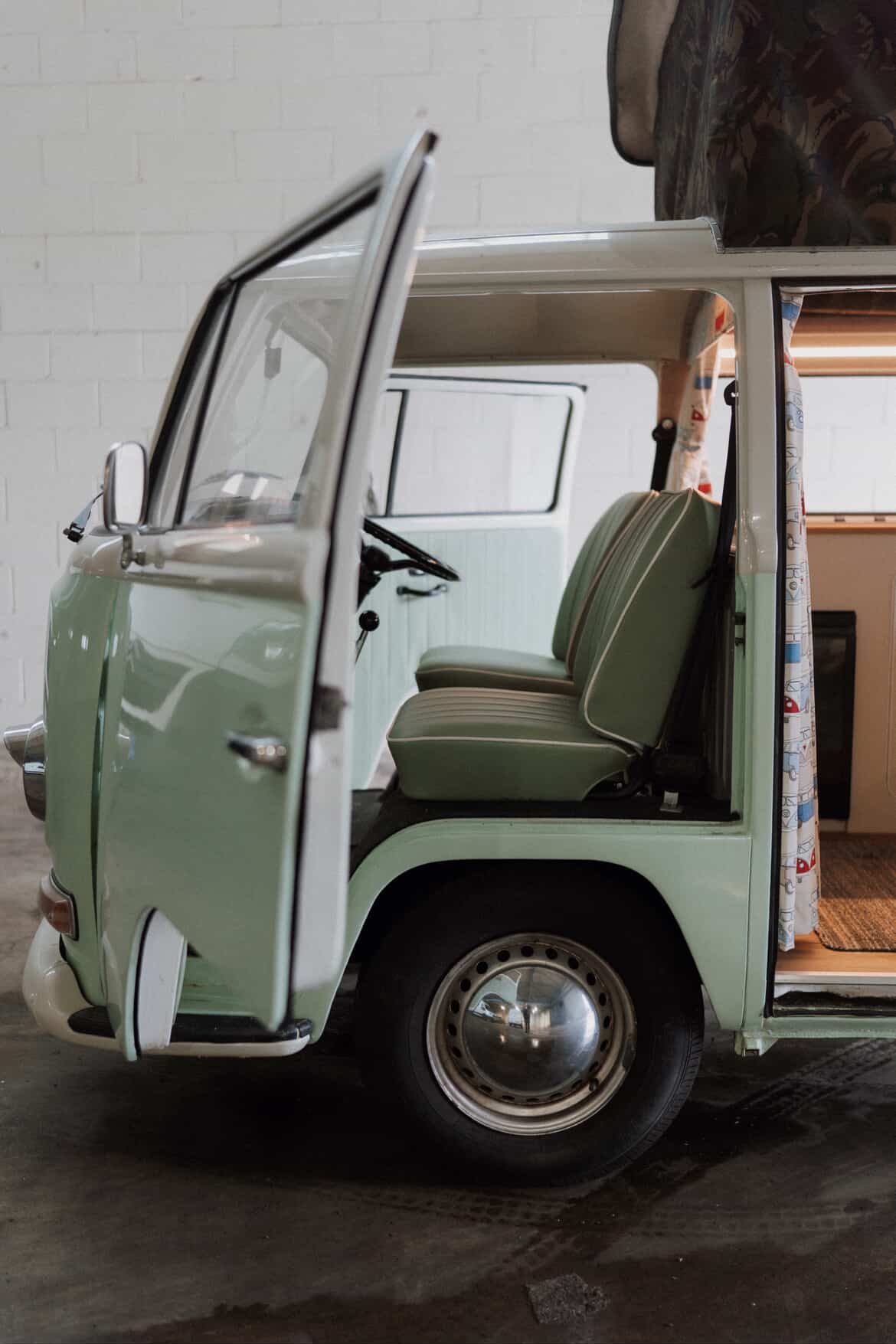
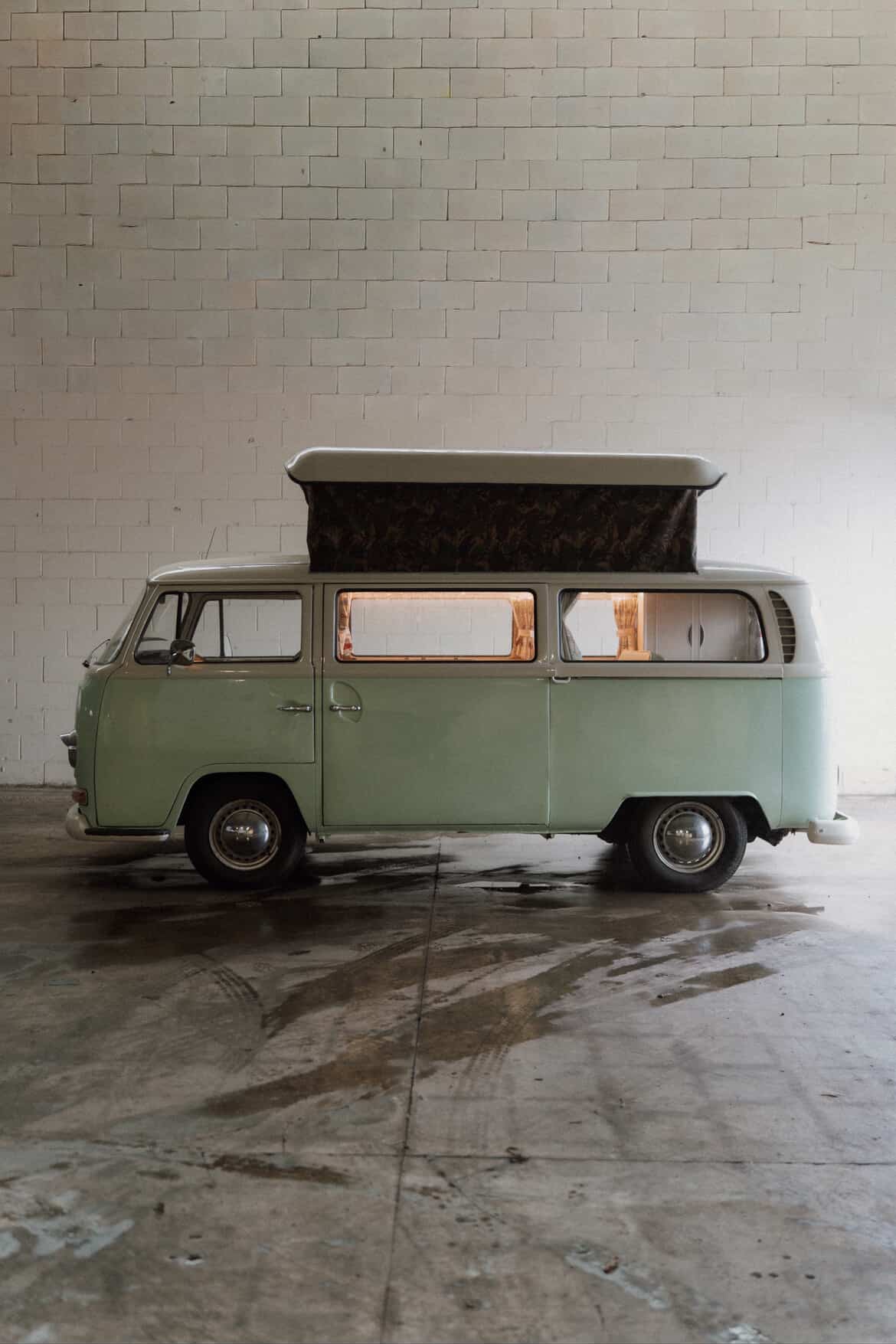
Some campervans are built for speed. Some for specification. Some for the kind of Instagram grid that makes everything look better than it probably is on a rainy Monday morning. And then there is this one. A Volkswagen T2. The epitome of slow, minimal living. Leaning into a soft pastel palette, and timeless oak finishes, Borderland named it The Nostalgia Wagon - which tells you almost everything about how it felt to step back and see it finished. We got the chance to speak to Luke about the brief, the build and what an older engine teaches you about restraint.
What was the brief for this build - and what mattered most to the client?
“Keep it light, keep it simple, keep it classy.” That was it, really. Three things, clearly understood, consistently applied. When a brief is that clean, the build tends to follow naturally.
How did the age of the van shape your approach?
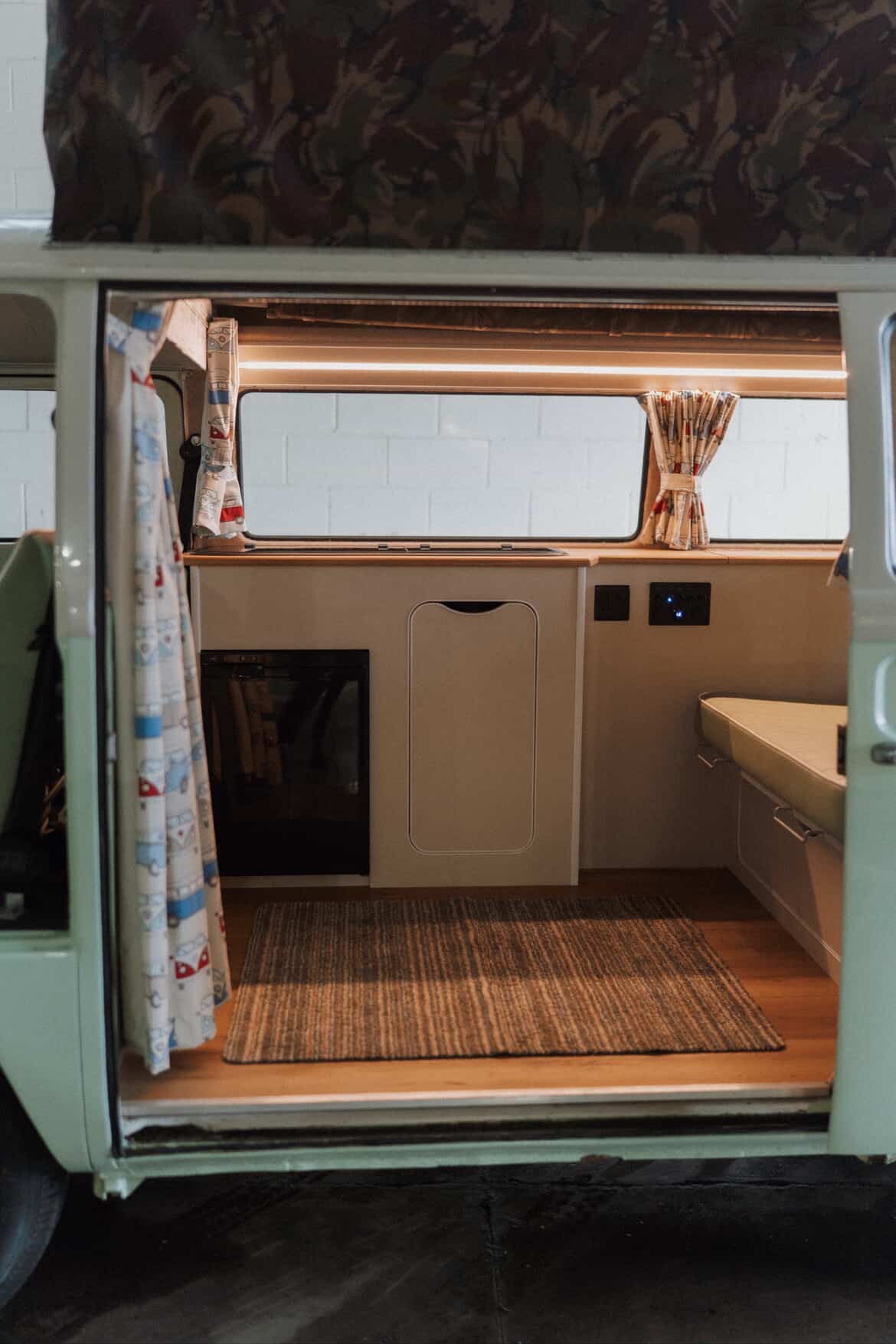
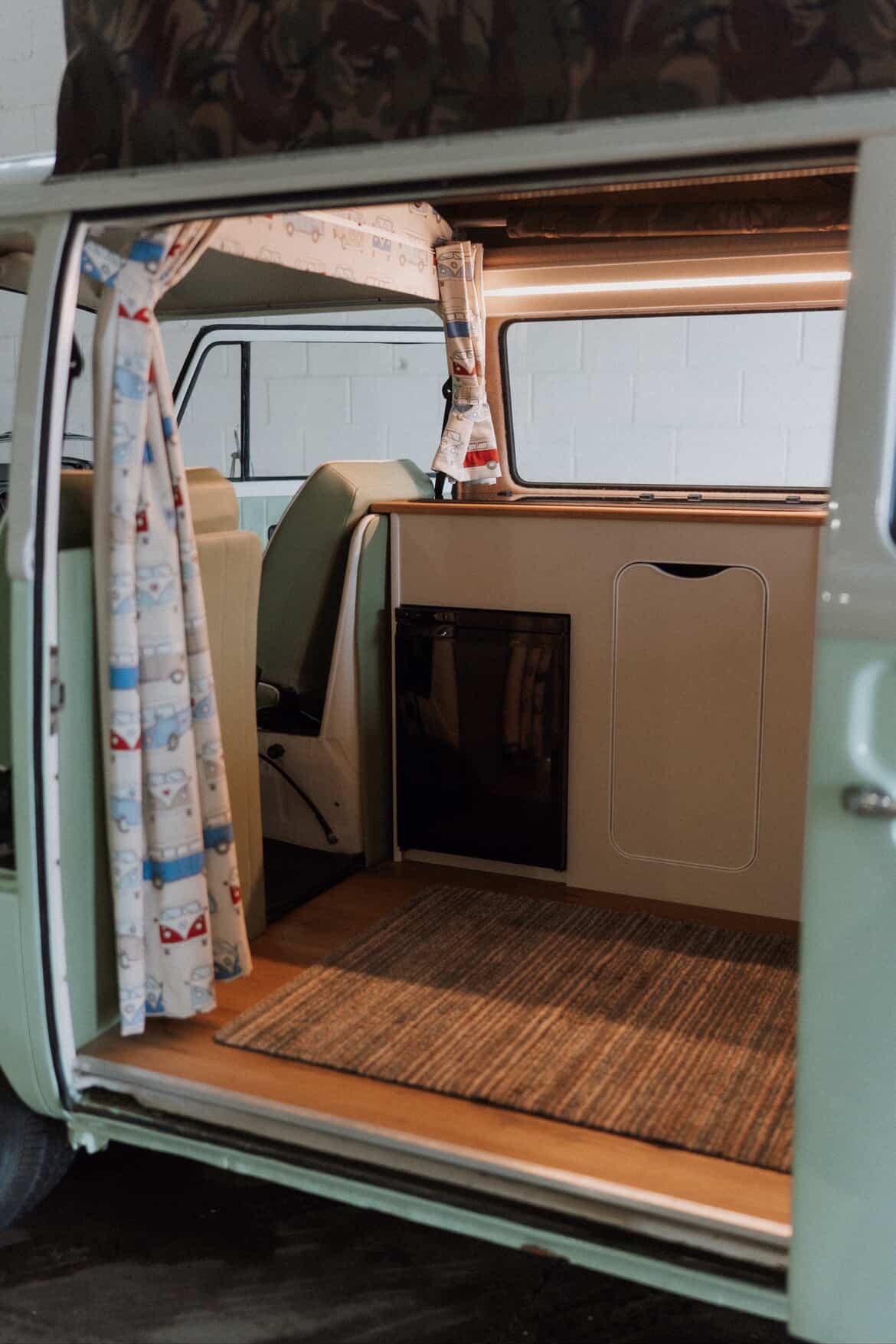
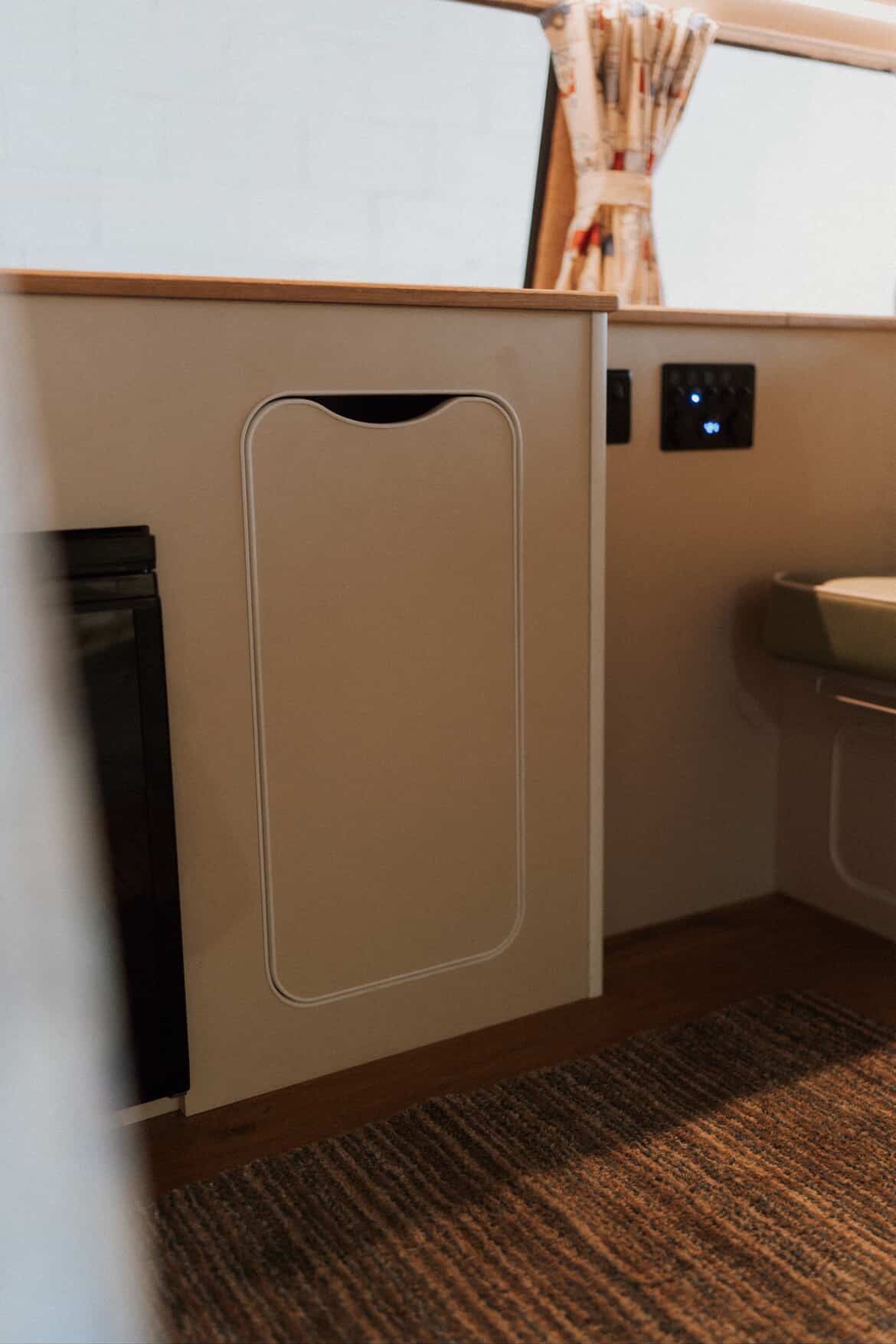
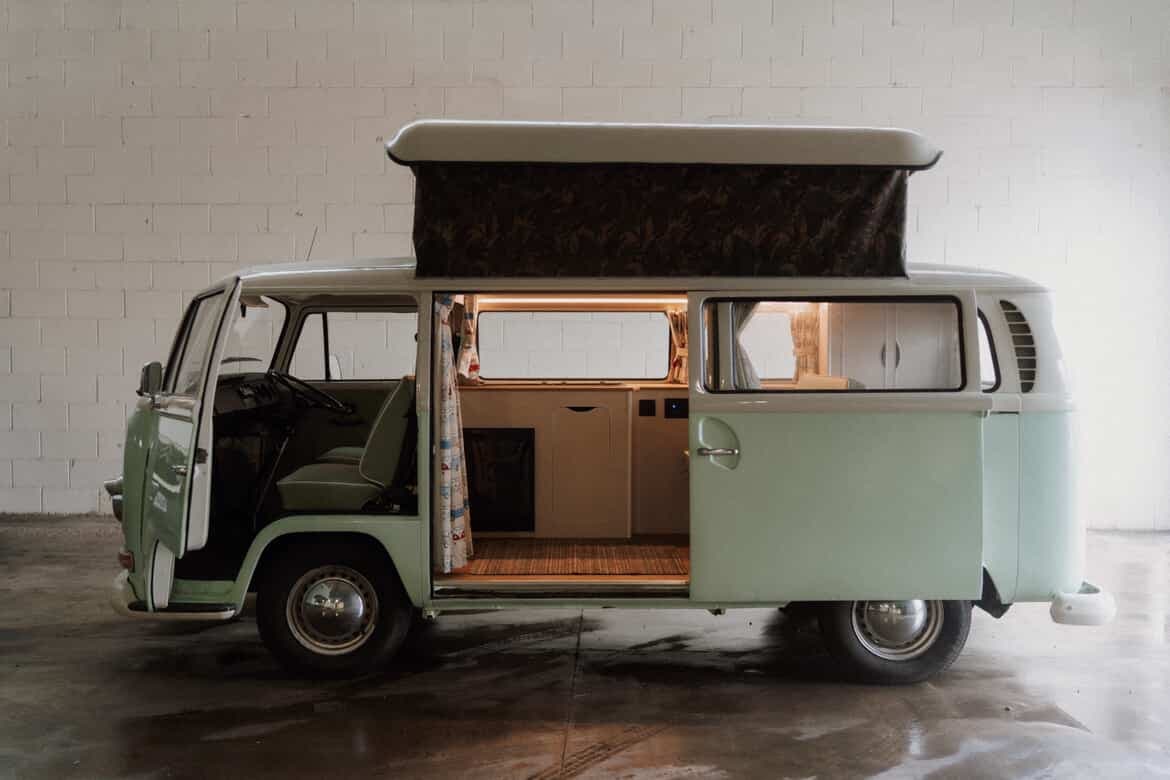
Significantly. The age of the van made a big difference to our usual approach. Weight was the constant consideration - every decision came back to it. The electrical system is intentionally minimal, which suited the customer anyway since they mostly use shore power. Even the smaller decisions mattered. Using an 18mm worktop instead of a thicker alternative, helped us keep the van as light as possible, giving the engine an easier and hopefully longer life!
Where did the interior aesthetic come from?
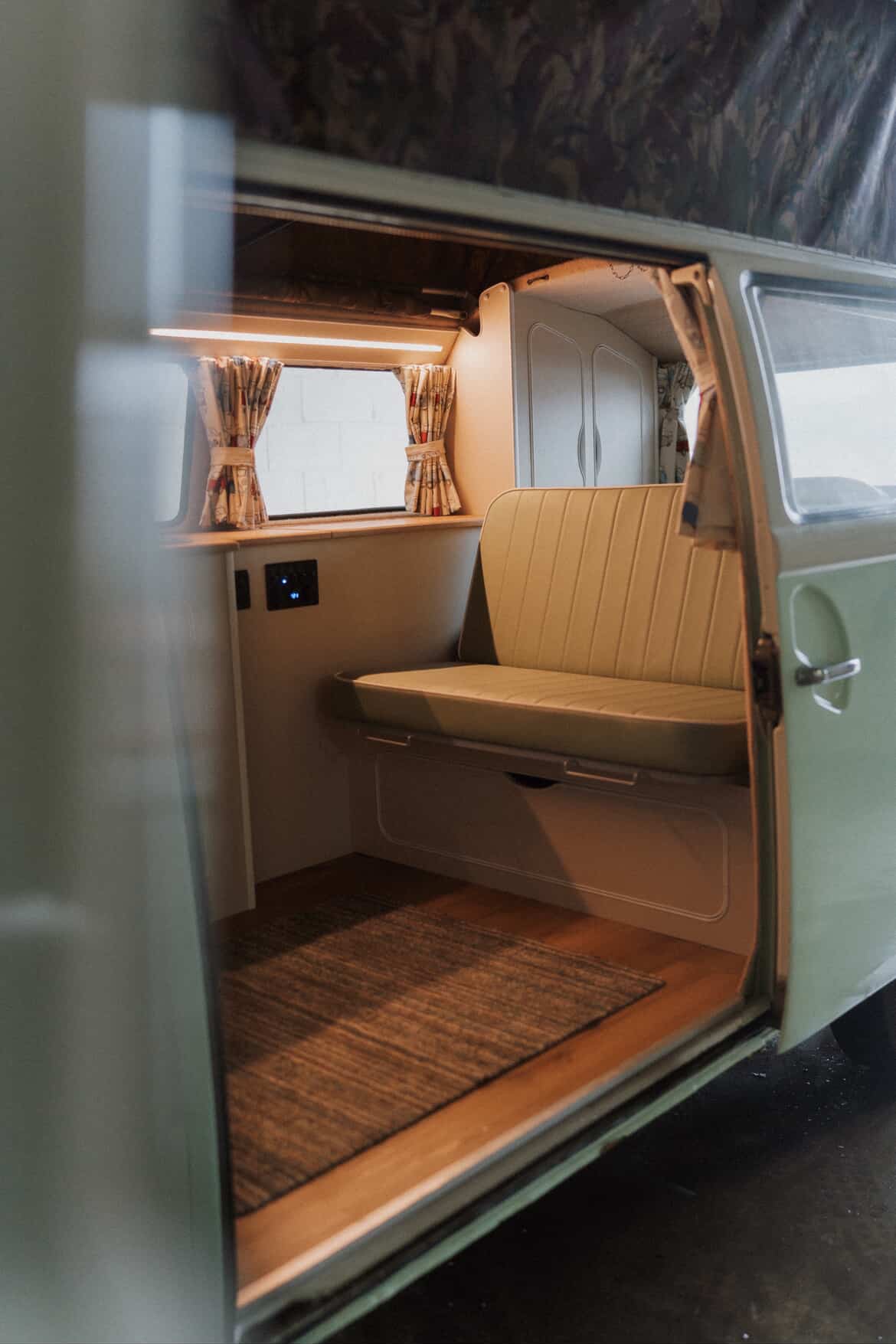
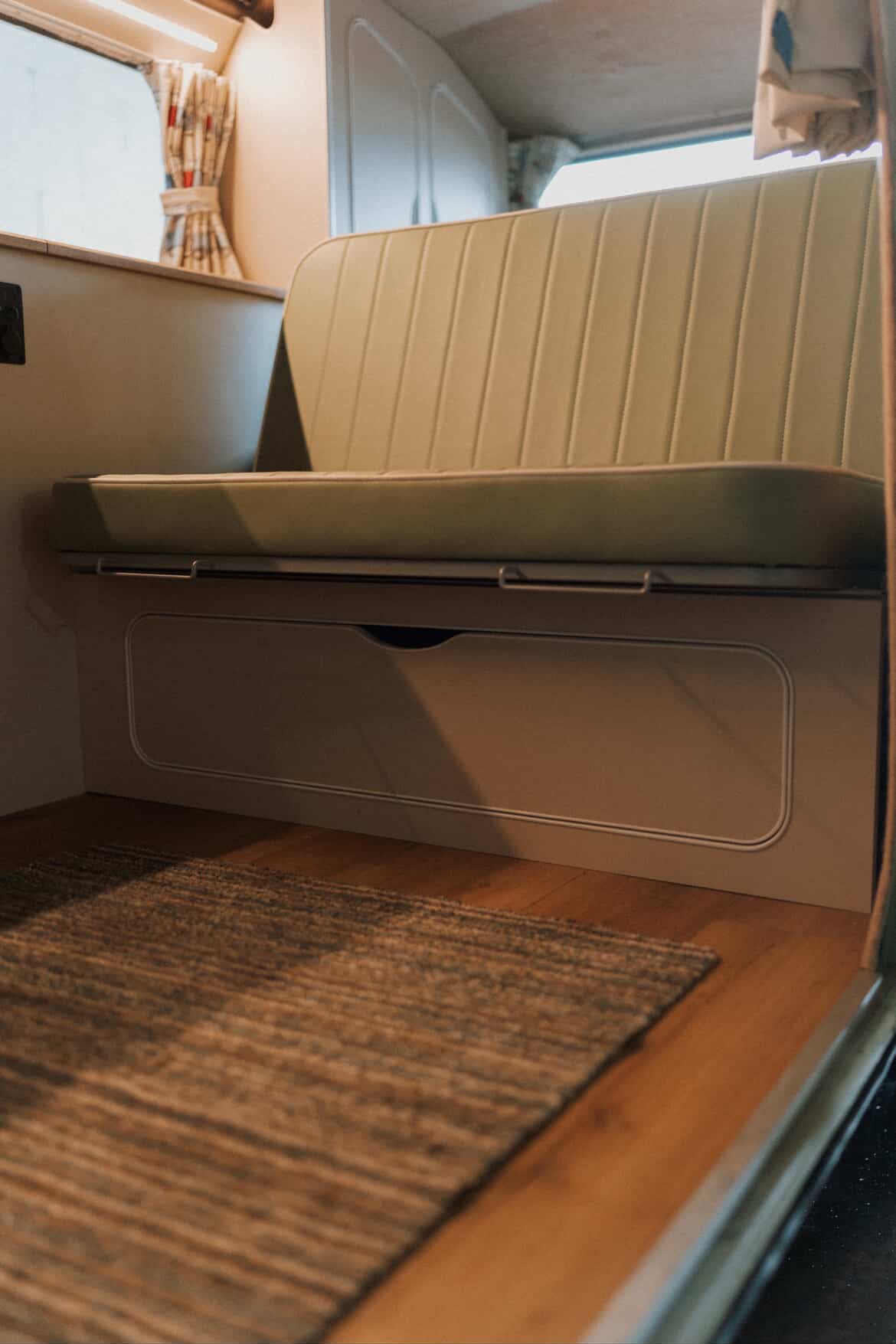
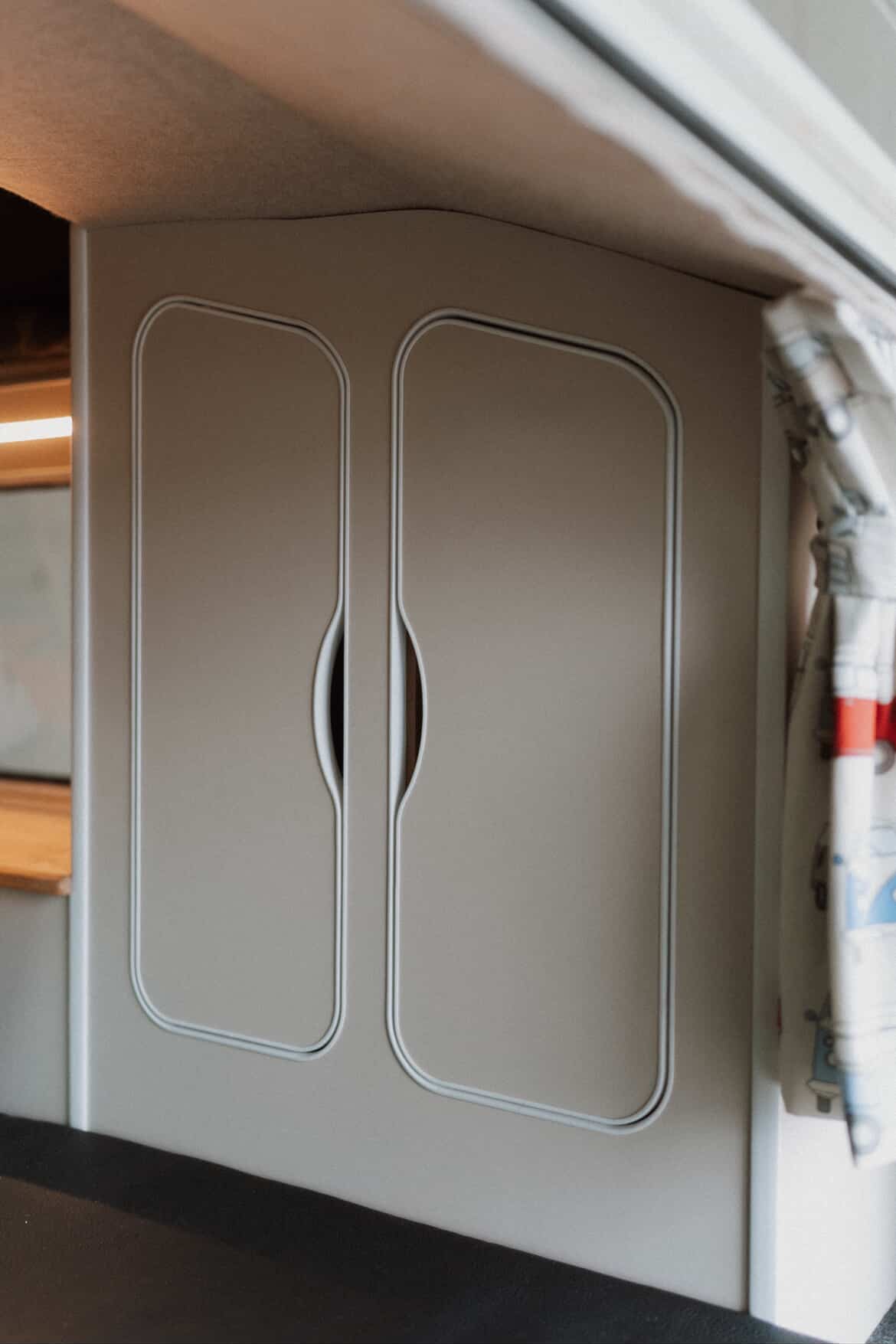
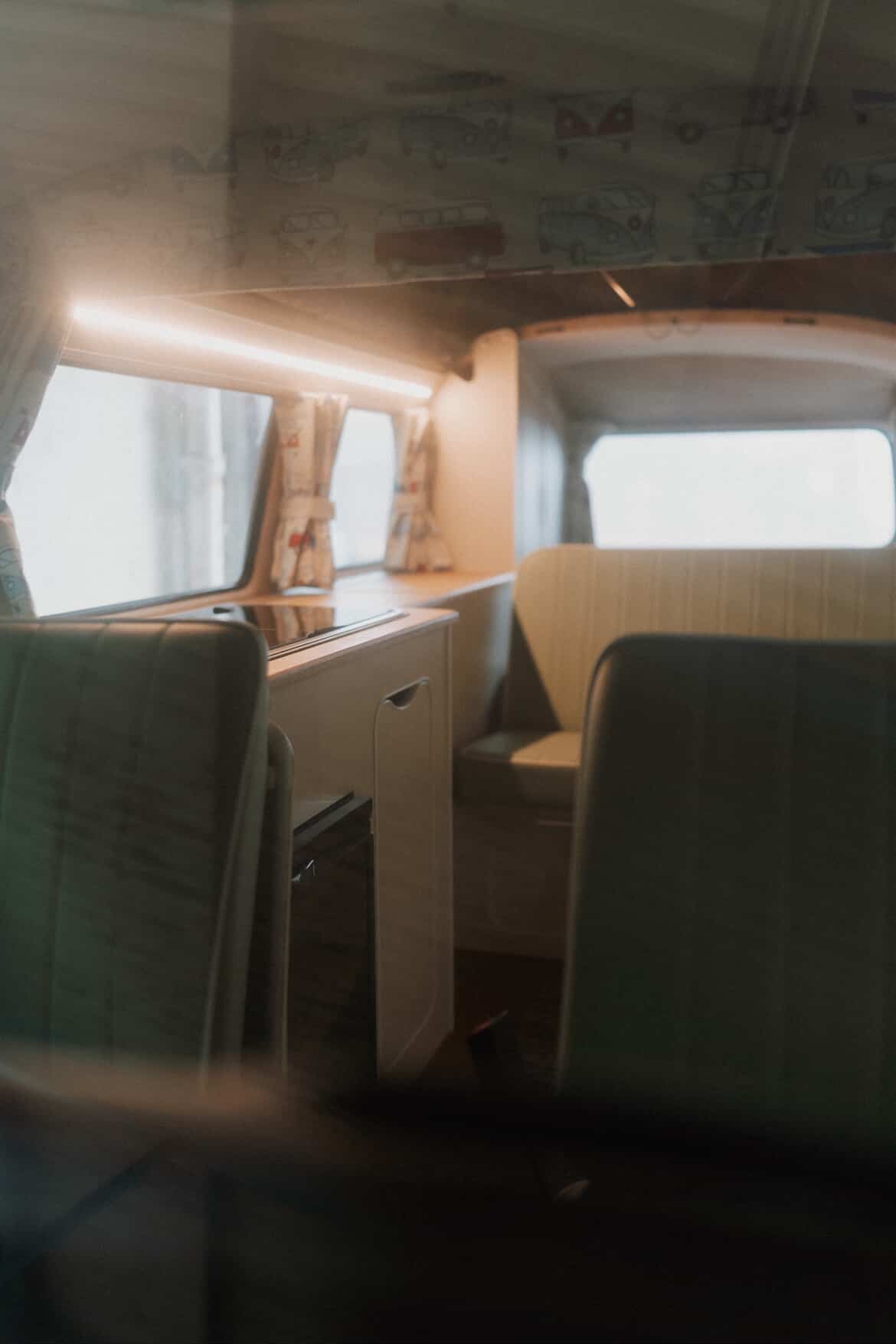
It happened fairly instinctively. The moment the customer mentioned white piping for the upholstery, the direction became obvious: cream and white tones. The client agreed instantly. We chose oak for the worktop and flooring. Oak feels timeless. I've never looked at oak and thought it felt dated, not in the way I sometimes do with mahogany or knotty pine. It just holds up. It belongs in a van like this.
And the build process itself?
As old school as the van. A scribbled sketch and verbal communications from an enthusiastic and very trusting customer. Our part of the build took five days, then it went back for upholstery.
How does a campervan like this support slow travel?
It demands it, more than supports it. Maximum speed: 55mph. The gears take some finding. The steering is heavy. The wing mirrors are deceiving. But that is the point, right? We started calling it the Nostalgia Wagon because it brought back memories of road trips over the years. It reminded me of why I fell in love with vans in the first place. That feeling doesn't arrive very often. When it does, you notice it.
Would you change anything?
Nothing on our side of the build. The camo material wasn't my suggestion and wouldn't have been my choice - but it's not my campervan. That's the joy of bespoke, small-space conversions. Each one is different. Each one belongs to someone specific. Every van should feel personal.
Any advice for someone thinking about their first conversion?
Find something mechanically sound and have as much fun with the build as possible. The adventure starts in the design phase - that's what I tell every customer.